RICS Homebuyer Report Explained: Your Complete Guide
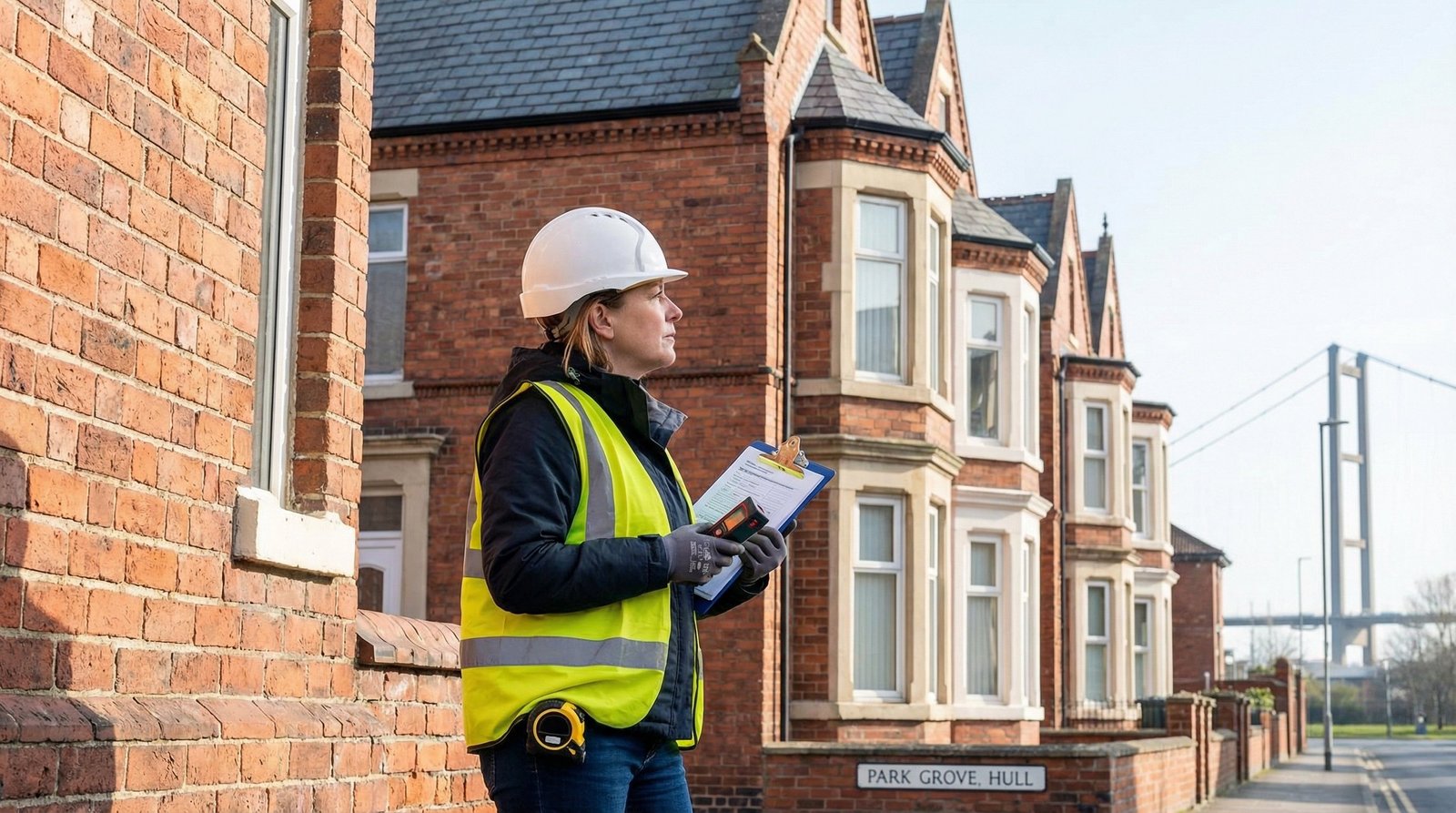
The RICS Homebuyer Report (Level 2 Survey) is the most popular type of property survey in the UK. If you're buying a conventional property in Hull or East Yorkshire, this survey type offers the perfect balance between cost and comprehensiveness. In this guide, our experienced surveyors explain exactly what's included in a RICS Homebuyer Report and how to make the most of the information it provides.
Understanding your survey report is crucial for making informed decisions about your property purchase. Whether you're a first-time buyer or an experienced property owner, knowing what to expect from your RICS Homebuyer Report will help you protect your investment and negotiate effectively.
What Is a RICS Homebuyer Report?
The RICS Homebuyer Report is a standardized property survey designed for conventional homes that are in reasonable condition. It's formally known as a Level 2 Survey and provides more detail than a basic mortgage valuation but is less extensive than a full structural survey (Level 3).
Introduced and regulated by the Royal Institution of Chartered Surveyors (RICS), this survey follows a consistent format nationwide, making it easy to understand and compare properties. The report is designed to:
- Identify urgent defects requiring immediate attention
- Highlight significant problems affecting the property's value
- Provide professional advice on potential issues and necessary repairs
- Offer guidance on maintenance requirements and ongoing costs
- Help you make an informed purchasing decision with confidence
- Flag issues that need further specialist investigation
- Assess whether the asking price reflects the property's condition
Is a RICS Homebuyer Report Right for Your Property?
A RICS Homebuyer Report is ideal for properties that meet certain criteria. Understanding whether your prospective purchase is suitable for a Level 2 survey helps you choose the right survey type and avoid unnecessary costs.
Perfect For:
- Standard properties built from 1900 onwards using conventional methods
- Homes constructed using traditional materials and building techniques
- Properties in reasonable condition with no major alterations or extensions
- Typical terraced, semi-detached, and detached houses in Hull and surrounding areas
- Flats and apartments in conventional purpose-built or converted buildings
- Properties with no obvious signs of major structural problems or movement
- Well-maintained homes where you want professional reassurance
When You Need a Level 3 Building Survey Instead
Consider upgrading to a more comprehensive Level 3 Building Survey if the property was built before 1900, has had significant alterations or extensions, shows visible signs of structural movement or cracking, is of unusual construction (timber frame, thatched, etc.), has been unoccupied for an extended period, or if you're planning major renovation works. Many Victorian and Edwardian properties in Hull benefit from Level 3 surveys due to their age and construction methods.
What's Included in a RICS Homebuyer Report?
The RICS Homebuyer Report follows a standardized format developed to provide consistent, comprehensive information. Here's what our qualified surveyors examine and report on during a Level 2 survey:
Section A: General Information
This opening section sets the context for the survey and includes:
- Complete property address and description
- Weather conditions during the inspection (important as some issues only appear in specific weather)
- Areas not inspected and reasons why (e.g., furniture blocking access, locked rooms)
- Property tenure information (freehold, leasehold, share of freehold)
- Any shared facilities or services with neighboring properties
- Date of inspection and report issue date
Section B: Summary of Condition Ratings
This section provides an at-a-glance overview using the traffic light rating system (explained below) for each part of the property. This summary allows you to quickly identify areas of concern and prioritize which sections of the full report need careful reading.
Section C: Detailed Findings
The main body of the report examines these key elements in detail:
- Chimney stacks: Condition, pointing, flashings, and any signs of movement or deterioration
- Roof covering: Tiles/slates condition, ridges, valleys, and general roof condition
- Rainwater pipes and gutters: Drainage systems, blockages, and potential water ingress issues
- Main walls: Brickwork, rendering, structural condition, and signs of movement
- Windows: Frames, glazing, seals, and overall condition
- External doors: Doors, frames, locks, and weather sealing
- Conservatory and porches: Structure and condition if present
- Other external features: Balconies, external decorations, and attachments
- Internal floors: Structure, levelness, and any signs of movement
- Internal ceilings: Condition and any signs of leaks or defects
- Internal walls: Structural walls and partitions
- Internal doors and fittings: Functionality and condition
- Fireplaces and chimney breasts: Internal condition and safety
- Services: Heating system, electrics, plumbing (visual inspection only, not tested)
- Drainage: Accessible inspection chambers, manholes, and visible drainage
- Grounds: Boundaries, outbuildings, gardens, and immediate surroundings
Section D: Valuation and Conveyancer Issues
If requested, this section includes:
- Market valuation reflecting current condition
- Insurance rebuild cost for adequate building coverage
- Issues that may affect the legal purchase process
- Matters for your conveyancer or solicitor to investigate
- Potential legal or planning issues identified
Section E: Advice and Next Steps
The final section provides actionable guidance:
- Recommendations for further investigations or specialist reports
- Estimated costs of significant repairs identified
- Risks associated with defects and recommended actions
- Maintenance advice to prevent deterioration
- Suggested specialist reports (electrical testing, damp surveys, drainage investigations)
- Timeline for addressing different issues
Understanding the Traffic Light Rating System
RICS Homebuyer Reports use a simple three-tier condition rating system to classify the condition of different parts of the property. This color-coded system makes it easy to understand priorities and severity:
Condition Rating System Explained
- Rating 1 (Green): No repair is currently needed. The property element is performing satisfactorily and only normal maintenance is required. This is what you want to see throughout most of the report.
- Rating 2 (Amber): Defects that need repairing or replacing but are not considered serious or urgent. The property must be maintained in the normal manner. Budget for these repairs within the next 1-2 years.
- Rating 3 (Red): Defects that are serious and/or need urgent repair or replacement. Major repairs or replacements may significantly affect the property's value. Address these before or immediately after purchase.
In our experience surveying properties across Hull, Beverley, and East Yorkshire, most conventional homes in reasonable condition receive primarily Rating 1 and Rating 2 classifications, with occasional Rating 3 issues that can often be negotiated with the seller or addressed before completion.
How Long Does a RICS Homebuyer Survey Take?
The inspection process varies depending on several factors, but typical timelines are:
During the Inspection Day:
- Small property (1-2 bed flat): 1.5-2 hours
- Medium property (2-3 bed house): 2-3 hours
- Large property (4+ bed house): 3-4 hours
Inspection duration depends on:
- Property size and number of rooms requiring inspection
- Age and complexity of construction
- Condition and extent of defects requiring documentation
- Accessibility of all areas (loft spaces, cellars, outbuildings)
- Weather conditions affecting external inspection quality
Following the inspection, our qualified surveyors spend additional time analyzing findings, researching specific issues, cross-referencing construction details, and preparing your comprehensive report. You can typically expect to receive your complete RICS Homebuyer Report within 5-7 working days of the inspection, though we often deliver sooner for urgent purchases.
What a Homebuyer Report Doesn't Cover
It's important to understand the limitations of a RICS Homebuyer Report so you have realistic expectations:
Inspection Limitations:
- Non-invasive inspection only: Surveyors don't lift floorboards, move furniture, remove wall coverings, or undertake destructive investigations
- Services testing: Electrical, heating, and plumbing systems receive visual inspection only, not operational or safety testing
- Inaccessible areas: Roof spaces with no access hatch, areas beneath suspended floors, behind furniture or stored items
- Specialist investigations: Detailed electrical safety certificates, drainage CCTV surveys, or specialized damp investigations require separate reports
- Concealed defects: Problems hidden behind walls, under floors, within structures, or otherwise invisible
- Future predictions: The report assesses current condition, not future deterioration rates or lifespan predictions
Recommended Additional Surveys
If your RICS Homebuyer Report identifies potential issues, we may recommend specialist surveys such as Electrical Installation Condition Reports (EICR) for electrical safety, drainage CCTV surveys for underground drainage systems, specialized damp and timber surveys for moisture issues, asbestos surveys for pre-2000 properties, or structural engineer assessments for significant movement concerns.
How Much Does a RICS Homebuyer Report Cost in Hull?
Based on our pricing across Hull, Beverley, and East Yorkshire in 2024, typical costs are:
- 1-bedroom flat: £380-£450
- 2-bedroom terraced house: £450-£550
- 3-bedroom semi-detached: £550-£650
- 4-bedroom detached: £650-£800
- Large or complex properties: £800-£1,000+
Adding a professional market valuation typically costs an additional £100-£150. While this may seem like a significant expense when you're already stretched financially, the cost is minimal compared to purchasing a property with hidden defects that could cost thousands or tens of thousands to repair.
Consider that a £600 survey on a £200,000 property represents just 0.3% of your purchase price – excellent value for professional protection and peace of mind.
What Happens After You Receive Your Report?
Once you have your RICS Homebuyer Report in hand, you have several options depending on what was found. Understanding these choices helps you make the best decision for your circumstances.
If the Report is Mostly Clear (Ratings 1 and 2):
- Proceed with the purchase confidently, knowing the property is in reasonable condition
- Budget for minor repairs and maintenance identified in the report
- Use the information to plan future maintenance and replacement schedules
- Obtain quotes for any recommended repairs to budget accurately
- Celebrate finding a good property worth proceeding with
If Significant Issues are Identified (Rating 3):
- Request a purchase price reduction reflecting repair costs plus inconvenience
- Ask the seller to complete repairs before completion with guarantees
- Renegotiate the purchase price based on professional repair cost estimates
- Commission specialist surveys for detailed assessment of specific concerns
- Consider a retention arrangement where funds are held until repairs complete
- In serious cases, particularly with structural issues, consider withdrawing from the purchase
For guidance on using your survey report to negotiate, read our comprehensive guide on how to negotiate after a property survey.
Real Examples from Hull Properties
Here are typical findings from recent RICS Homebuyer Reports we've conducted across Hull and East Yorkshire:
Case Study: Victorian Terrace in Hull
- Rating 2 issue: Roof coverings (slates) reaching end of serviceable life with some slipped slates. Estimated replacement cost £6,000-£8,000 within next 3-5 years.
- Rating 2 issue: Original single-glazed sash windows with minor rot to some timber frames. Replacement recommended within 2-3 years at approximately £8,000-£10,000.
- Rating 1: Most internal and external elements in acceptable condition for age.
- Rating 2 issue: Electrical system outdated with old-style fuse box requiring upgrade to modern consumer unit and EICR testing (£1,500-£2,000).
Outcome: Buyer negotiated £5,000 price reduction to reflect most urgent works (electrical upgrade and immediate roof repairs), and proceeded with purchase understanding the medium-term window replacement requirement.
How to Prepare for Your Homebuyer Survey
While the survey is arranged on your behalf and you don't need to be present, you can help ensure a thorough inspection by coordinating with the property seller to:
- Ensure all rooms are accessible on inspection day
- Move furniture away from walls where practical to reveal wall conditions
- Provide loft hatch access if available (with safe ladder access)
- Unlock garden sheds and outbuildings for inspection
- Clear areas around boilers, water tanks, and electrical panels
- Arrange for pets to be secured or removed during the inspection
- Provide any guarantees, certificates, or documentation about previous works
Better access means a more thorough inspection and more comprehensive report, ultimately better protecting your interests.
Common Questions About RICS Homebuyer Reports
Can I Attend the Survey?
Yes, you're welcome to attend briefly at the end of the inspection if you wish. However, the surveyor needs to work independently and concentrate, so it's best not to accompany them throughout. Many surveyors offer a brief walkthrough at the end to discuss initial findings.
Will the Surveyor Test Services?
No. Level 2 surveys include visual inspection of services only. Electrical, heating, and plumbing systems aren't operationally tested. If concerns are identified, specialist testing will be recommended.
What if I Disagree with the Report?
RICS surveyors are professional and impartial. If you have concerns, contact the surveyor first to discuss. They can often clarify points or provide additional explanation. All RICS surveyors carry professional indemnity insurance.
Key Takeaways
- RICS Homebuyer Reports (Level 2 surveys) are ideal for conventional properties in reasonable condition
- The traffic light rating system makes it easy to identify priorities and severity
- Reports typically cost £400-£800 in Hull – minimal compared to potential hidden defect costs
- Surveys take 2-4 hours with reports delivered within 5-7 working days
- Inspection is non-invasive – concealed defects can't be identified without further investigation
- Survey findings provide powerful negotiating leverage with sellers
- Most conventional Hull properties receive mostly Rating 1 and 2 classifications
Need a RICS Homebuyer Report?
Our experienced surveyors provide detailed RICS Homebuyer Reports for properties across Hull, Beverley, and East Yorkshire. Fast turnaround, clear reports, and expert advice to help you make confident property decisions.
Book Your Survey TodayFor more information about choosing the right survey type for your property, read our guide comparing Level 2 vs Level 3 surveys, or learn about whether property survey costs are worth the investment.