Understanding Damp: A Complete Guide from Rising Damp to Condensation
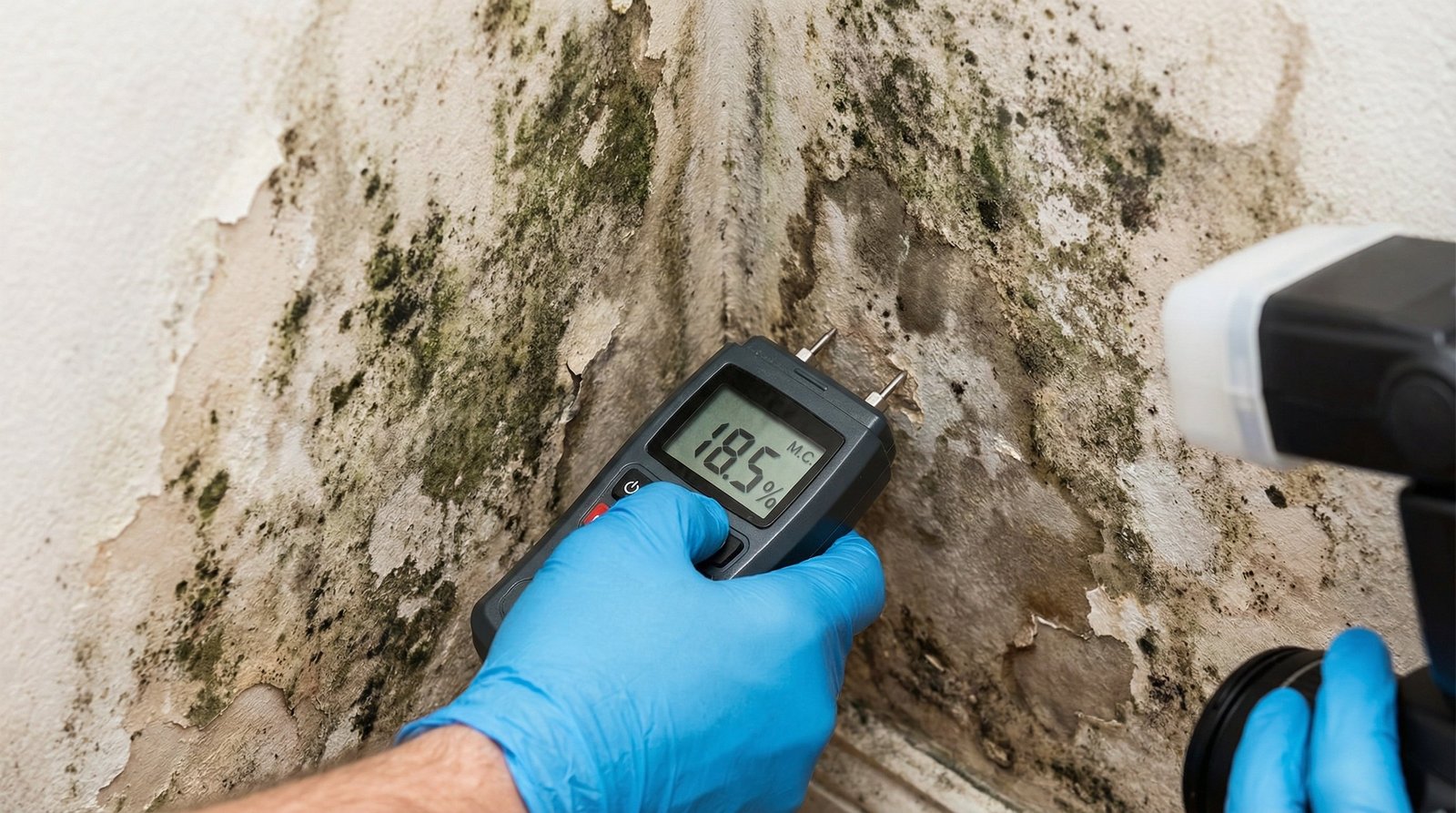
Damp is the most common serious defect we encounter when surveying properties across Hull and East Yorkshire. It affects thousands of homes, causes significant damage, impacts health, and can be expensive to treat if not addressed properly. As experienced RICS chartered surveyors, we've assessed countless damp problems, and understanding the different types of damp is crucial for property buyers, sellers, and homeowners.
This comprehensive guide explains the three main types of damp affecting UK properties, how to identify each type, what causes damp problems, effective treatment methods, and prevention strategies. Whether you're buying a property in Hull or dealing with damp in your current home, this guide will help you understand and address moisture issues effectively.
Why Damp Is a Serious Problem
Before diving into the types of damp, it's important to understand why damp requires urgent attention:
- Structural Damage: Moisture deteriorates building materials, causing timber rot, plaster damage, and masonry decay
- Health Impacts: Damp environments promote mold growth, triggering respiratory problems, asthma, and allergies
- Property Devaluation: Damp issues significantly reduce property values and deter potential buyers
- Increased Costs: Damp properties have higher heating costs due to reduced insulation effectiveness
- Cosmetic Damage: Staining, peeling decoration, and unpleasant odors affect living conditions
- Insurance Issues: Untreated damp can affect buildings insurance coverage
The Three Types of Damp
Property damp falls into three distinct categories, each with different causes, characteristics, and treatment requirements. Understanding which type affects your property is essential for effective resolution.
1. Rising Damp: Water Rising Through Walls
Rising damp occurs when groundwater rises up through porous building materials by capillary action, similar to how a sponge absorbs water. This type of damp particularly affects older properties built before effective damp-proof courses (DPCs) became standard in the 1870s.
How Rising Damp Works
Water in the ground is drawn upward through tiny pores in bricks and mortar. Without a damp-proof barrier, moisture can rise up to 1.5 meters above ground level, though typically stops around 1 meter where evaporation equals the rate of rise.
Identifying Rising Damp
Look for these characteristic signs:
- Tide marks on walls at low level (typically up to 1 meter high)
- Peeling paint and wallpaper at skirting board level
- Damp, musty smell in affected rooms
- Salt deposits (efflorescence) on wall surfaces appearing as white crystalline patches
- Discolored, stained, or bubbling plaster
- Rotting skirting boards and floor timbers
- Black mold growth at low levels
- Cold, damp walls to touch at lower levels
Causes of Rising Damp
- Absent DPC: Properties built before 1870 often have no damp-proof course
- Failed DPC: Original slate or bitumen DPCs deteriorate over time
- Bridged DPC: External ground levels raised above the DPC, allowing water to bypass the barrier
- Damaged DPC: Physical damage from alterations or ground movement
- Porous Materials: Some older bricks and lime mortars are highly absorbent
- High Ground Water: Properties in low-lying areas near water sources
Rising Damp in Hull Properties
Victorian terraces throughout Hull commonly suffer rising damp. We recently surveyed a property in Newland where the homeowner had raised flower beds against the external walls, bridging the DPC. Removing the beds, lowering ground levels, and improving drainage eliminated the problem without requiring chemical DPC injection - saving £3,000 in unnecessary treatments.
Rising Damp Treatment
Treatment approaches depend on the cause:
- Lower External Ground Levels: If ground has been raised, reducing levels below DPC often resolves the issue (£500-£1,500)
- Improve Drainage: Install or repair drainage to direct water away from walls (£800-£2,000)
- Chemical DPC Injection: Inject silicone-based water repellent into walls (£1,500-£3,000 per wall)
- Physical DPC Installation: Insert new DPC membrane (more disruptive but effective, £2,500-£5,000)
- Re-plastering: Replace contaminated plaster with breathable renders (£800-£2,000)
2. Penetrating Damp: Water Ingress from Outside
Penetrating damp occurs when water penetrates through external walls, roofs, or windows due to defects in the building fabric. Unlike rising damp, penetrating damp can appear anywhere on walls and often worsens during wet weather.
Identifying Penetrating Damp
- Damp patches on internal walls that worsen after rain
- Staining that appears on external-facing walls
- Water marks on ceilings below roofs or parapets
- Damp around window and door frames
- Patches that dry out during dry weather
- Often appears at specific points rather than general areas
- May appear at any height on walls, including upper floors
Common Causes in Hull Properties
- Roof Defects: Missing tiles, damaged flashing, valley gutter leaks
- Failed Rendering: Cracked or porous external render allowing water penetration
- Defective Guttering: Blocked, damaged, or inadequate rainwater goods causing overflow
- Pointing Failure: Deteriorated mortar between bricks
- Chimney Issues: Missing pots, damaged flashing, porous masonry
- Window Problems: Failed seals, damaged frames, missing sealant
- Wall Cavity Issues: Bridged cavities from mortar droppings or failed insulation
- Parapet Defects: Common in terraced properties with shared parapet walls
Hull's Weather Impact
Hull's coastal location means properties face:
- Higher rainfall than UK average
- Strong winds driving rain against walls
- Salt-laden air accelerating material deterioration
- Weather exposure requiring more frequent maintenance
Penetrating Damp Treatment
Treatment focuses on addressing the source:
- Roof Repairs: Fix tiles, flashings, valley gutters (£500-£5,000 depending on extent)
- Repointing: Replace failed mortar joints (£40-£60 per square meter)
- Render Repairs: Patch or replace external render (£1,000-£5,000)
- Gutter Replacement: Install new rainwater goods (£500-£1,500)
- Window Repairs: Seal or replace windows (£200-£800 per window)
- Cavity Wall Issues: Extract failed insulation or clear cavity (£1,500-£4,000)
3. Condensation: The Most Common Damp Problem
Condensation is actually the most frequent cause of damp in UK homes, though often confused with rising or penetrating damp. It occurs when warm, moisture-laden air meets cold surfaces, causing water vapor to condense into liquid water.
Understanding Condensation
Modern living generates significant moisture:
- A family of four produces 10-15 liters of water vapor daily through breathing, cooking, bathing, and washing
- Poor ventilation traps this moisture inside
- Cold surfaces (windows, external walls, corners) cause condensation
- Problems worsen in winter when heating creates temperature differences
Identifying Condensation
- Streaming windows, especially in mornings
- Water droplets on cold surfaces (tiles, mirrors, windows)
- Black mold growth, particularly in corners and behind furniture
- Musty, damp smell in poorly ventilated rooms
- Mold on walls, ceilings, and in wardrobes
- Worse in bathrooms, kitchens, and bedrooms
- Problems increase in winter months
- Often affects north-facing rooms
Causes of Condensation
- Poor Ventilation: Inadequate air changes trap moisture
- Insufficient Heating: Cold surfaces encourage condensation
- Lifestyle Factors: Drying clothes indoors, cooking without extraction
- Lack of Insulation: Cold external walls and single glazing
- Blocked Vents: Closed or blocked airbricks and vents
- Modern Sealed Buildings: Energy-efficient homes can trap moisture without proper ventilation
Condensation vs Other Damp Types
Treating Condensation
Condensation solutions focus on the moisture-temperature-ventilation balance:
- Improve Ventilation: Install extractors in bathrooms/kitchens (£150-£400 each)
- Upgrade Windows: Install double glazing (£4,000-£7,000 full house)
- Increase Heating: Maintain consistent background heating
- Insulate: Add loft insulation (£400-£800) and wall insulation (£4,000-£12,000)
- Use Dehumidifiers: Remove excess moisture (£150-£400 for quality unit)
- Lifestyle Changes: Open windows regularly, use extractor fans, avoid drying clothes indoors
Damp Surveys and Professional Assessment
Accurately diagnosing damp type is crucial for effective treatment. Our RICS building surveys include comprehensive damp assessment using:
- Electronic moisture meters to measure moisture content
- Visual inspection of damage patterns and locations
- Assessment of building construction and materials
- Evaluation of ventilation and heating provision
- Identification of potential causes (external defects, lifestyle factors)
- Thermal imaging where appropriate to identify cold spots
Prevention Strategies
Preventing Rising Damp
- Maintain external ground levels below DPC
- Ensure adequate drainage away from walls
- Don't pile soil or debris against external walls
- Keep airbricks clear and functional
- Monitor for early signs of damp penetration
Preventing Penetrating Damp
- Regular roof inspections and maintenance
- Keep gutters clear and in good repair
- Maintain external pointing and render
- Seal windows and doors properly
- Address defects promptly before they worsen
- Annual external property maintenance checks
Preventing Condensation
- Ventilate rooms daily, especially after bathing/cooking
- Use extractor fans in bathrooms and kitchens
- Maintain consistent background heating
- Don't dry laundry indoors without ventilation
- Keep furniture away from external walls
- Consider mechanical ventilation with heat recovery (MVHR) in severe cases
Hull Climate Considerations
Properties in Hull face specific damp challenges:
- Higher than average rainfall increases penetrating damp risk
- Coastal exposure means driving rain affects west and south-facing walls
- Older housing stock with original construction materials
- Clay soil conditions can affect ground moisture levels
- Flood risk areas require additional damp precautions
When to Call a Specialist
Seek professional help if you notice:
- Extensive damp affecting multiple rooms
- Damp that persists despite ventilation improvements
- Structural damage from moisture
- Uncertainty about the type of damp
- Health problems potentially related to damp
- Property purchase where damp is present
Conclusion
Understanding the three types of damp - rising damp, penetrating damp, and condensation - is essential for effective treatment. Each requires different solutions, and accurate diagnosis is crucial to avoid wasting money on inappropriate treatments.
If you're buying a property in Hull or East Yorkshire, a professional RICS building survey will identify any damp issues, determine their type and cause, and provide expert advice on treatment requirements and costs. This protects your investment and ensures you're fully informed about the property's condition.
For existing homeowners dealing with damp, addressing problems promptly prevents escalation into more serious and expensive issues. Whether improving ventilation for condensation or repairing building defects causing penetrating damp, early action saves money and protects your property value.
Concerned About Damp in Your Property?
Our RICS chartered surveyors provide expert damp assessment across Hull and East Yorkshire. We'll identify the type of damp, explain the causes, and recommend effective treatments to protect your property.
Book Your Damp Survey Today