Understanding Structural Problems in Properties: A Complete Guide
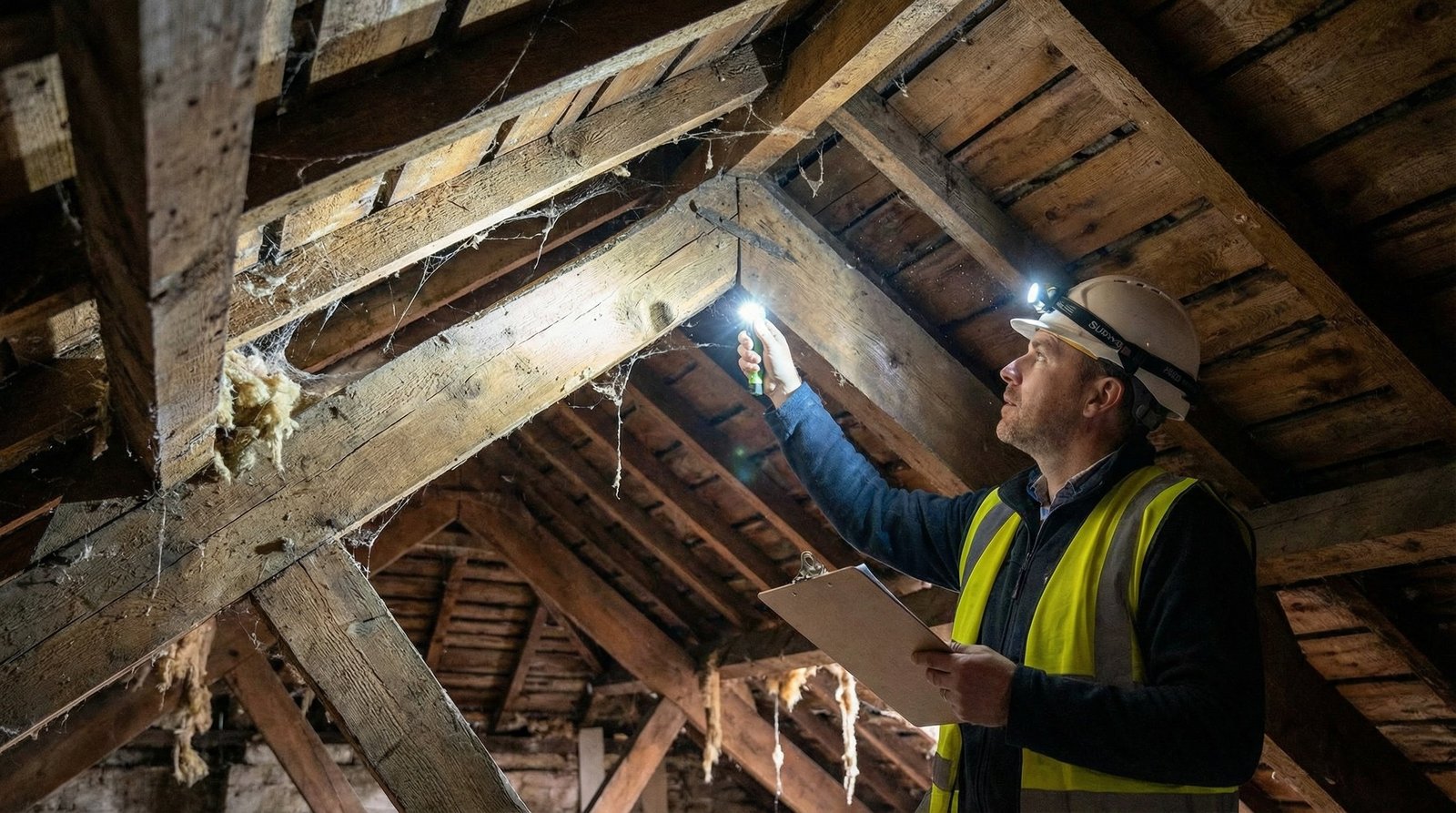
Structural problems are among the most serious issues that can affect a property. Understanding the difference between cosmetic defects and genuine structural concerns is crucial for property buyers, owners, and investors across Hull and East Yorkshire. In this comprehensive guide, our experienced surveyors explain everything you need to know about structural problems, their causes, warning signs, and potential solutions.
Whether you're buying a Victorian terrace in Hull, a Georgian townhouse in Beverley, or a modern semi-detached home, knowing how to identify and assess structural issues will help you make informed decisions and avoid costly mistakes.
What Are Structural Problems?
Structural problems refer to defects that affect the fundamental integrity and stability of a building. Unlike cosmetic issues such as cracked plaster or peeling paint, structural defects can compromise safety, cause progressive damage, and significantly impact property value.
Structural problems typically affect key building elements including:
- Foundation systems and ground conditions
- Load-bearing walls and structural supports
- Roof structures and timbers
- Floor joists and structural decking
- Lintels and beam supports over openings
- External and party walls
- Chimney stacks and breasts
In Hull and East Yorkshire, properties face unique structural challenges due to local clay soils, proximity to waterways, and the prevalence of older Victorian and Edwardian housing stock. Our qualified surveyors regularly encounter structural issues that require professional assessment and monitoring.
The Difference Between Structural and Non-Structural Defects
Not every crack or defect indicates a structural problem. Understanding the distinction is important:
- Structural defects: Affect the building's stability and load-bearing capacity. Examples include foundation movement, wall tie failure, or roof spread.
- Non-structural defects: Affect appearance or function but not stability. Examples include surface cracks in plaster, minor settlement cracks, or cosmetic brickwork damage.
Professional building surveys are essential for correctly identifying and assessing which category defects fall into, as the consequences and repair costs vary dramatically.
Common Types of Structural Problems
1. Subsidence
Subsidence occurs when the ground beneath a building moves downward, causing the foundation to sink. This is one of the most serious structural problems and can result from several causes:
- Clay soil shrinkage during prolonged dry periods
- Tree root activity extracting moisture from soil
- Leaking drains washing away supporting soil
- Mining activity (relevant in parts of East Yorkshire)
- Natural ground settlement over time
- Removal of vegetation causing soil expansion and contraction
Warning Signs of Subsidence
Look for diagonal cracks wider than 3mm appearing near doors and windows; doors and windows sticking or not closing properly; gaps between walls and ceilings or floors; rippling wallpaper over cracks; cracks appearing or worsening after hot, dry weather; cracks that are wider at the top than the bottom.
Subsidence is particularly prevalent in Hull's older Victorian and Edwardian terraces, where shallow foundations on clay soil make properties more vulnerable to ground movement. If you suspect subsidence, commission a Level 3 building survey immediately.
2. Settlement
Settlement is the natural downward movement of a building as it adjusts to the ground beneath it. Unlike subsidence, settlement is usually uniform and occurs primarily in new or recently altered buildings as the structure 'beds in'.
Most settlement is harmless and stops after the first few years. However, differential settlement – where different parts of the building settle at different rates – can cause structural issues requiring professional attention.
3. Heave
Heave is the upward movement of the ground, typically caused by clay soil expanding after tree removal or during periods of excessive moisture. Properties in Hull's clay-rich areas can be particularly vulnerable to heave, especially if large trees have been recently removed from gardens.
Heave can cause:
- Upward cracking in walls and floors, often with cracks wider at the bottom
- Doors and windows lifting in frames, creating gaps at the bottom
- Separation of extensions from main buildings
- Floor level changes and unevenness
- Damage to underground services and drainage
Identifying and Assessing Structural Cracks
Cracks are the most visible sign of potential structural problems, but not all cracks indicate serious issues. Our qualified surveyors use specific criteria to assess crack severity and determine whether they represent a structural concern.
Crack Classification Guide
The Building Research Establishment (BRE) classifies cracks based on width and severity:
- Hairline cracks (less than 0.1mm): Usually cosmetic, caused by plaster shrinkage or minor settlement. No action required beyond monitoring.
- Fine cracks (0.1-1mm): Generally not serious but may need monitoring. Often caused by thermal movement or minor settlement.
- Moderate cracks (1-5mm): Require professional assessment and possible repair. May indicate ongoing movement requiring investigation.
- Wide cracks (5-15mm): Indicate structural movement needing immediate attention. Likely to require structural engineer involvement.
- Severe cracks (15-25mm or more): Serious structural concern requiring urgent action, structural engineer assessment, and potentially extensive repairs.
Crack Patterns That Indicate Structural Issues
Beyond width, crack patterns provide crucial information about underlying problems:
- Diagonal cracks running from corners of windows and doors at 45-degree angles
- Horizontal cracks in walls, particularly at floor levels or along mortar courses
- Stepped cracks following mortar joints in brickwork (staircase pattern)
- Vertical cracks wider at top than bottom (subsidence) or wider at bottom (heave)
- Cracks that extend through multiple floors or from ground to eaves
- New cracks appearing or existing cracks widening progressively
- Cracks appearing on both internal and external walls in the same location
Location matters too. Cracks appearing near corners, around openings (windows and doors), or at the junction of old and new construction are more likely to indicate structural problems.
Foundation Problems
Foundation defects are among the most costly structural issues to repair. In Hull and East Yorkshire, foundation problems often relate to the area's challenging ground conditions and older construction methods that didn't account for modern building standards.
Common foundation issues include:
- Inadequate foundation depth for the local soil type (many Victorian properties have foundations less than 1 meter deep)
- Poor-quality original construction materials that have deteriorated over time
- Deterioration of lime mortar in older properties
- Water damage from poor drainage systems or leaking services
- Erosion of foundation support due to nearby excavations or building work
- Tree root damage causing direct physical damage or soil moisture extraction
Hull-Specific Foundation Considerations
Many Victorian and Edwardian properties in Hull were built with shallow foundations on clay soil, sometimes as little as 600-800mm deep. These properties require careful monitoring, particularly during extreme weather conditions. Our local expertise helps identify issues specific to Hull's building stock and ground conditions, and we understand the typical foundation constructions used in different areas and periods.
Wall and Masonry Problems
Structural wall problems can manifest in various ways beyond cracking. During our surveys across Hull, Beverley, and East Yorkshire, our team frequently encounters:
- Bulging or bowing walls indicating lateral movement or lack of adequate restraint
- Wall tie failure in cavity wall construction (particularly common in 1930s-1960s properties)
- Spalling brickwork where the face of bricks breaks away due to frost damage or poor quality
- Lintel failure over windows and doorways, causing cracks and sagging
- Separation between walls at corners or junctions, indicating foundation movement
- Mortar deterioration, particularly lime mortar in older properties
- Damp penetration causing structural timber decay behind masonry
Cavity Wall Tie Corrosion
This is an increasingly common problem in Hull properties built between 1930-1985. Original wall ties were often mild steel that corrodes over time, expanding and causing horizontal cracking. Replacement typically costs £2,500-£5,000 but prevents more serious structural failure.
Roof Structural Issues
While roof covering problems are common, structural roof issues require immediate attention:
- Roof spread where rafters push walls outward, common in properties without adequate ties
- Sagging ridge lines indicating failed roof structure
- Broken or decayed roof timbers compromising structural integrity
- Failed purlins or ridge boards
- Inadequate or removed bracing in roof spaces
When to Commission a Structural Survey
A professional structural survey should be commissioned when:
- Purchasing any property built before 1900 (essential for Victorian/Edwardian properties)
- Visible cracks or movement signs are present during viewings
- The property has a history of structural repairs or underpinning
- Extensions or alterations have been made, especially older additions
- The property is in an area known to be prone to subsidence
- You're planning major renovations, conversions, or loft extensions
- Large trees are located close to the property (within 15 meters)
- Previous survey reports indicate monitoring requirements
- The property has been empty for extended periods
- Unusual construction methods have been used
For peace of mind and protection of your investment, we recommend a Level 3 Building Survey for all pre-1900 properties and any property showing signs of structural concerns.
The Cost of Structural Repairs in Hull
Structural repair costs vary significantly depending on the problem's nature and extent. Based on our extensive experience with properties across Hull and East Yorkshire, typical repair costs include:
Typical Structural Repair Costs (2024)
- Minor crack repairs and repointing: £500-£2,000
- Underpinning (per linear meter): £1,000-£2,000
- Wall tie replacement (whole property): £2,500-£5,000
- Lintel replacement: £800-£1,500 per lintel
- Roof structure repairs: £3,000-£8,000
- Major subsidence repairs: £10,000-£50,000+
- Structural engineer fees: £500-£1,500 for initial assessment
Note: These are approximate costs for Hull and East Yorkshire. Actual repair costs depend on property size, accessibility, ground conditions, and the extent of damage. Always obtain multiple quotes from specialist contractors.
How Our Qualified Surveyors Assess Structural Problems
Our comprehensive structural assessments follow RICS standards and include:
- Detailed visual inspection of all accessible areas including loft spaces and cellars
- Measurement and documentation of all cracks with photographs and diagrams
- Assessment of crack patterns, orientation, and width to determine causes
- Evaluation of drainage systems and ground conditions around the property
- Review of previous survey reports and any repair history
- Identification of trees and vegetation that may pose risks
- Checking for adequate roof structure and wall restraint
- Assessment of foundation adequacy where visible
- Recommendations for monitoring, further investigation, or immediate action
- Advice on repair strategies and realistic cost implications
Where necessary, we'll recommend specialist investigations such as trial pits to expose foundations, structural engineer assessments, or monitoring crack movement over time.
Preventing Structural Problems
While some structural issues are unavoidable, proper maintenance can prevent many problems:
- Maintain gutters and downpipes to prevent water pooling near foundations
- Ensure good drainage around the property perimeter
- Monitor and manage trees near buildings (seek advice before removal)
- Address minor defects promptly before they worsen
- Maintain consistent indoor humidity to prevent moisture-related issues
- Check for and repair leaking services (water mains, drainage)
- Ensure adequate ventilation in roof spaces and underfloor voids
Should You Buy a Property with Structural Issues?
Discovering structural problems doesn't necessarily mean walking away from a purchase. Consider:
- Is the movement ongoing or historic and stabilized?
- What are the realistic repair costs?
- Can you negotiate a price reduction reflecting these costs?
- Will your mortgage lender accept the property?
- Are you prepared for the disruption of major repairs?
- Will the issues affect future resale value?
Many properties with historic structural issues that have been properly repaired make excellent homes. The key is professional assessment, realistic cost estimates, and appropriate price negotiation.
Concerned About Structural Problems?
Our experienced surveyors provide comprehensive structural assessments across Hull, Beverley, and East Yorkshire. We'll identify any structural concerns and provide clear, actionable advice on the best course of action.
Book a Structural SurveyKey Takeaways
- Structural problems affect a building's stability and integrity, not just its appearance
- Subsidence, settlement, and heave are the most common foundation-related issues
- Crack width, pattern, and location all provide clues about underlying causes
- Hull's clay soil and older housing stock make properties particularly vulnerable
- Professional surveys are essential for accurate assessment and avoiding costly mistakes
- Repair costs vary dramatically but can often be negotiated with sellers
- Not all structural issues are deal-breakers if properly assessed and priced
If you're concerned about potential structural problems in a property you're considering, don't hesitate to contact our experienced team at Hull Surveyors. We've helped hundreds of buyers make informed decisions about structural issues, saving thousands of pounds and preventing costly mistakes.